Insights & Perspectives
for Industrial B2B Professionals.
Articles, frameworks, and perspectives drawn from nearly four decades of real industrial B2B experience, for owners, presidents, sales leaders, managers, and individual contributors alike. Select a category or browse all.
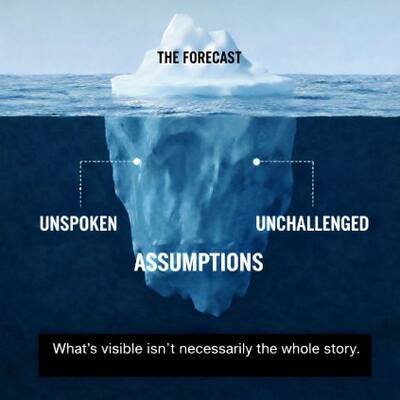
Forecasts Don't Fail. Assumptions Do.
In many organizations, the forecast is not a reflection of what is likely to happen. It is a reflection of what is hoped to happen. Here is the distinction that changes everything.

Now Is the Time: Fix Forecasting for 2026
If you have battled unreliable forecasts, margin erosion, and CRM data that does not translate into customer-level accountability, this is your starting point.

7 Key Elements To Successful Sales Forecasting
Effective sales forecasting navigates uncertainty and paves the way for success. Seven concrete, actionable steps to improve the accuracy and reliability of your forecasts.
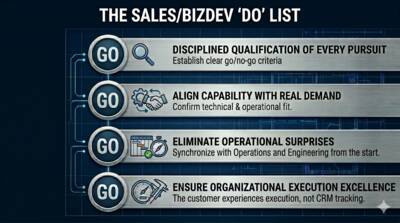
Sales & Business Development Are Processes, But Not the Ones Most Think
CRM systems and defined stages are treated as the process. But successful sales and business development require a process with real go/no-go criteria, not just tracking.
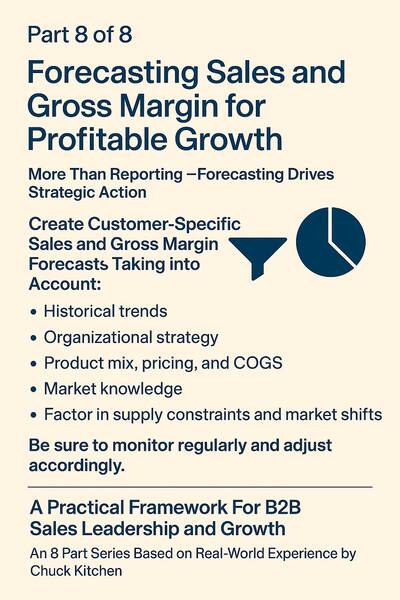
Part 8 of 8: Forecasting Sales and Gross Margin for Profitable Growth
The capstone of an 8-part practical framework for industrial B2B sales leadership. How to integrate forecasting, margin management, and organizational alignment into one unified approach.
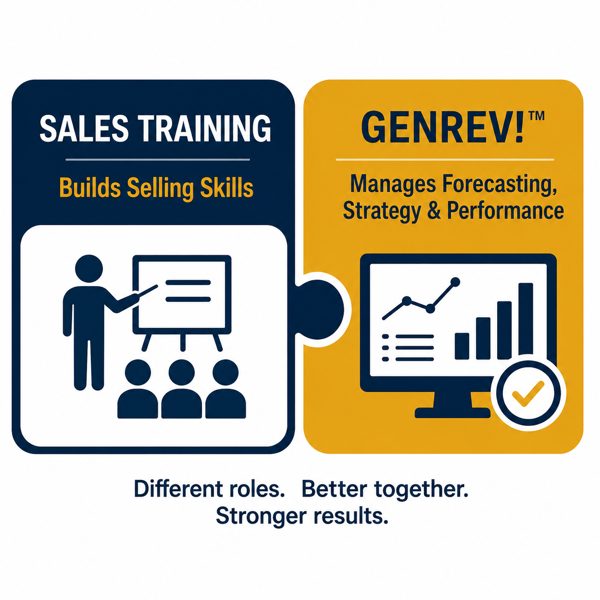
Sales Training Teaches How to Sell. GENREV!™ Manages Whether It Worked.
Training changes behavior. It does not guarantee results. Here is the structural gap between sales training and sales performance management, and why the two are complementary, not competing.
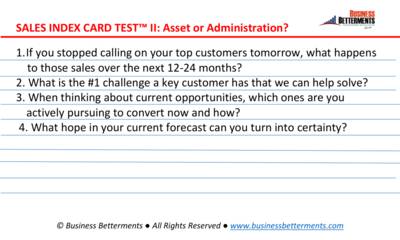
The Silence Is the Real Answer, The Sales Index Card Test™
For 25 years, handing salespeople a blank 3x5 index card and asking five questions has been a revealing exercise. In practice, the silence is the real answer.

"We Need Sales Now."
It is a phrase that echoes through many organizations when pressure is on. Here is the reality check: you cannot instant-gratification a sales turnaround. Speed does not fix a bad layout; it causes faster crashes.
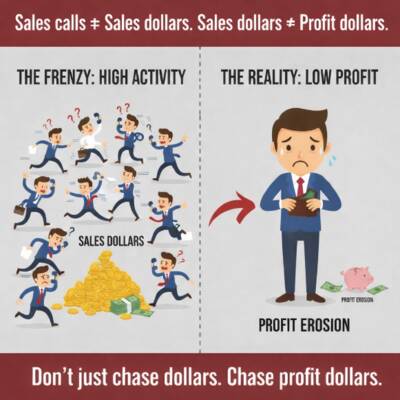
Sales Calls vs. Sales Dollars vs. Profit Dollars
In the industrial space, "more volume" is the default reflex. But volume without discipline is often just a faster way to lose money. Do you know the True Cost of Ownership of your accounts?

9 Out of 10: A Take on the LinkedIn Skills Leaderboard
LinkedIn's "Skills on the Rise" report highlights ten critical growth areas. Nine of them are things Chuck has advocated for throughout his career. The tenth reveals the critical gap that no software can fill.

Unveiling the 180-Day Sales Puzzle: How Much Time Do You Really Have?
Out of 365 days, you may have fewer than 200 to work your sales effort. The math on available selling time is sobering, and immediately actionable.
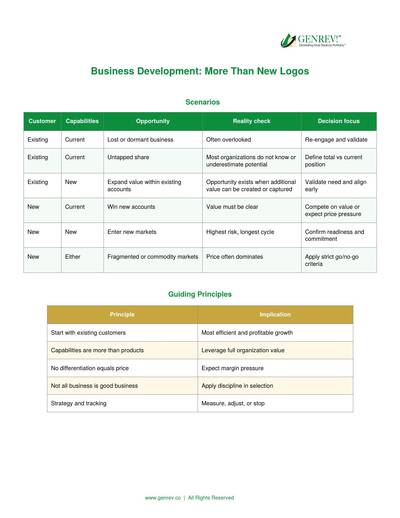
A Practical Framework for B2B Sales Leadership and Growth (8 Part Series)
A practical framework for evaluating all business development scenarios, existing customers, new customers, current capabilities, and new markets. With guiding principles for each.
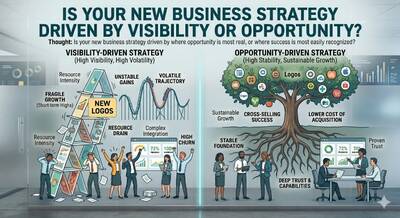
New Business Development Is Often Misunderstood
Business development is more than new logos. Growth comes from recognizing opportunities across existing customers, new customers, current capabilities, and new capabilities, each with different levels of risk, effort, and return.
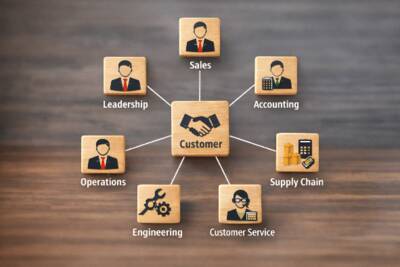
Industrial B2B Relationships Must Be Bigger Than One Person
Many customer relationships are tied to people, not organizations. When personnel changes occur on either side, even long-standing business can feel uncertain. Here is how to build lasting organizational relationships.
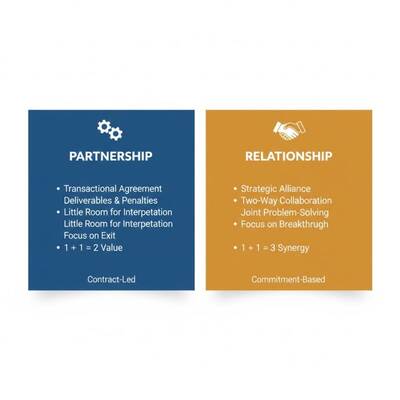
A Partnership Is a Contract. A Relationship Is a Commitment.
Partnerships are transactional agreements. Relationships are strategic alliances. When things go wrong, a partner looks at the fine print. A relationship looks for a collaborative solution.

Beyond New Logos: Winning and Retaining New Business
A fresh approach to sustainable growth by leveraging untapped potential in both existing and new customers. Organizations that resolve the new-vs-existing tension early build more stable revenue.
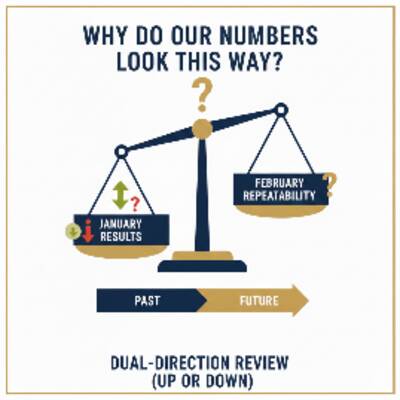
Most Teams Ask "Why?" When They Miss. How Many Ask When They're Ahead?
Early-year results are often a volatile mix of momentum, timing, and luck. If you do not pause to understand the "Why" in both directions, you are not managing a business; you are riding a wave you do not yet understand.

Sales Quality vs. Sales Quantity
Sales conversations commonly default to activity: calls made, meetings scheduled, opportunities entered. What often gets less attention is quality. Are opportunities well understood? Is customer intent clear?
Year-End Results Stop Moving. Interpretation Shouldn't.
Late December is when most sales numbers stop moving. What does move right now is interpretation. Year-end is not just about whether targets were hit; it is about whether outcomes were predictable.
Preparing for Year-End Reviews Before the Questions Get Asked
Year-end board and owner reviews do not test effort. They test understanding. Ideally, the questions behind those discussions were not saved for year-end, they were asked, monitored, and revisited throughout the year.

Understanding Revenue & Expense: A Key To Empowering Your Sales Team
It is a common misconception that every dollar in revenue translates directly to the bottom line. Salespeople and managers who understand the P&L implications of their decisions make better decisions.

Re-Engaging at the Start of the Year
The beginning of January has always been about re-engagement. Not to overreact. Not to rush execution. But to reset focus, through conversations with employees and customers that reports cannot replicate.

Cold Calling: A Practical Approach for Sales Professionals
Insights on Balancing Persistence, Professionalism, and Authenticity in Sales
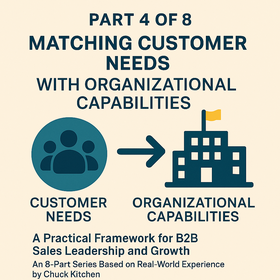
Part 4 of 8: Matching Customer Needs with Organizational Capabilities
Previously: Part 3 focused on segmenting customers and building strategic profiles based on their type, industry, and potential.
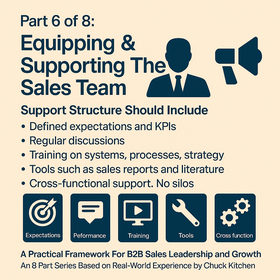
Part 6 of 8: Equipping and Supporting the Sales Team
Previously: Part 5 outlined how to build customer-centric sales plans that reflect real opportunities and company priorities.
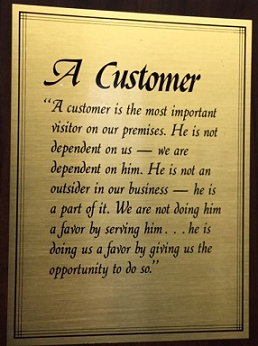
What Is A Customer?
Merriam-Webster defines "customer" as: 1. One that purchases a commodity or service. 2. An individual usually having some specified distinctive trait. Re-read #...

Why "Instant Sales" is a Myth
And How to Get Results Anyway

SALES IS THE LIFELINE TO EVERY BUSINESS (BUT I DON'T WANT TO TALK ABOUT IT)
In recent encounters with two distinguished individuals (an internationally seasoned CEO and a seasoned President) and our discussions ventured into the realm of sale...
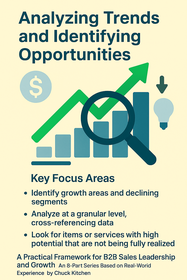
Part 2 of 8: Analyzing Trends and Identifying Opportunities
Previously: Part 1 focused on how to gather and structure historical sales data across customers, products, industries, and account types to build visibility an...
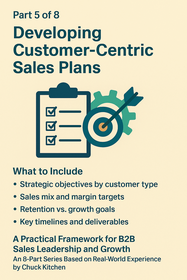
Part 5 of 8: Developing Customer-Centric Sales Plans
Previously: Part 4 highlighted the importance of aligning sales efforts with your company’s actual ability to deliver.
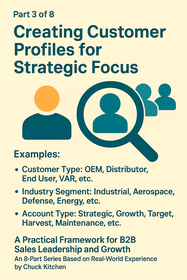
Part 3 of 8: Creating Customer Profiles for Strategic Focus
Previously: Part 2 explored identifying growth opportunities and declining trends through detailed product and customer-level analysis.
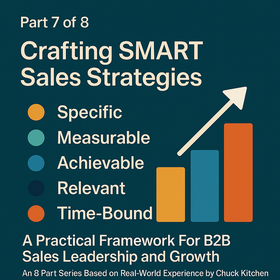
Part 7 of 8: Crafting SMART Sales Strategies
Previously: Part 6 explored how to equip and support your sales team with structure, tools, and collaboration across functions to enable execution.
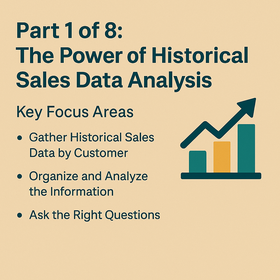
A Practical Framework for B2B Sales Leadership and Growth (8 Part Series)
Part 1 Of An 8-Part Series Based on Real-World Experience